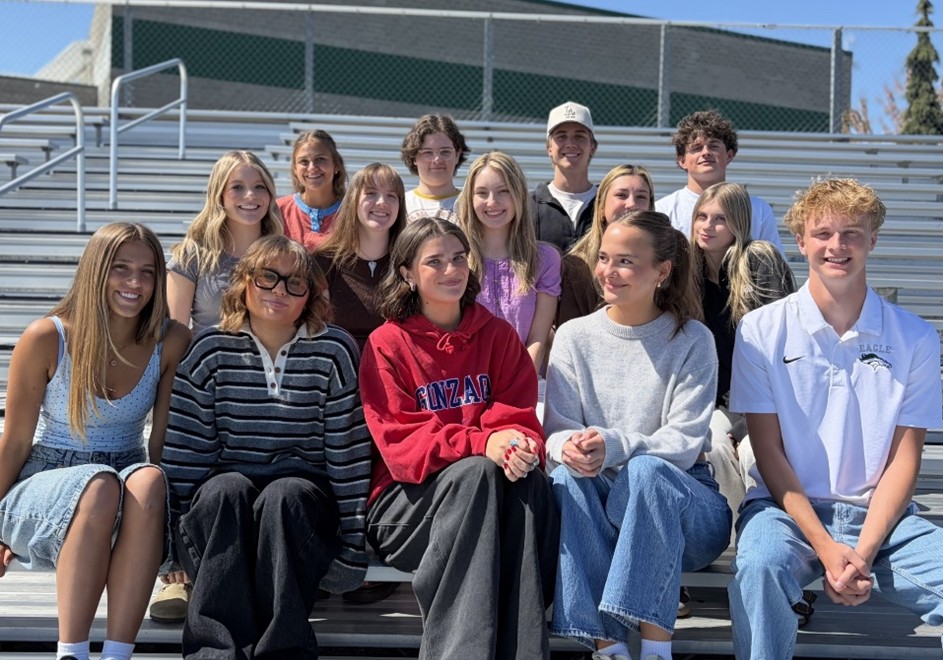
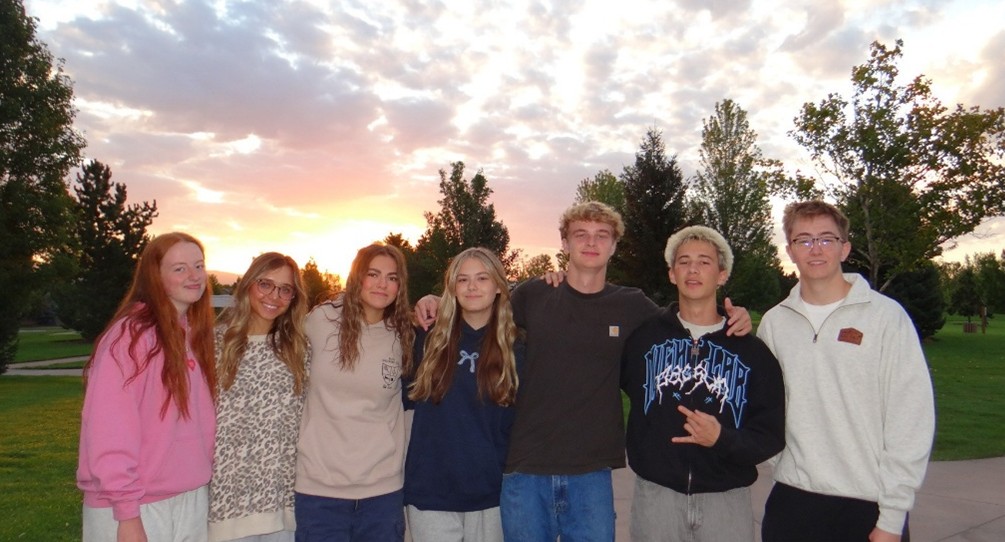






















When students walk through the halls of Eagle High, they often notice juniors and seniors who move with a calm that seems earned. They carry small backpacks and tired smiles, and they look like they understand something about high school that younger students have not learned yet. Their confidence is not accidental. It comes from experience and from learning how to handle the pressure that builds as graduation grows closer.
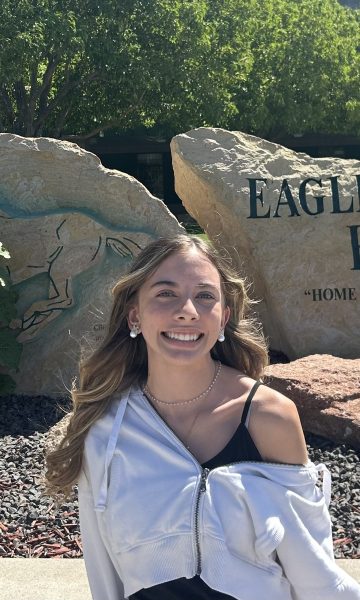
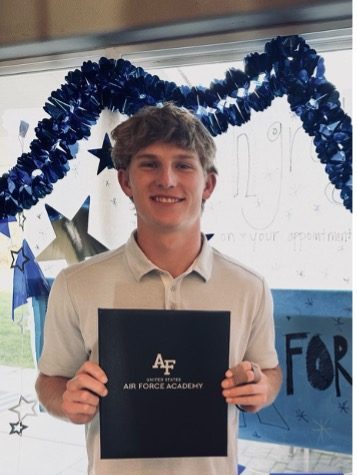
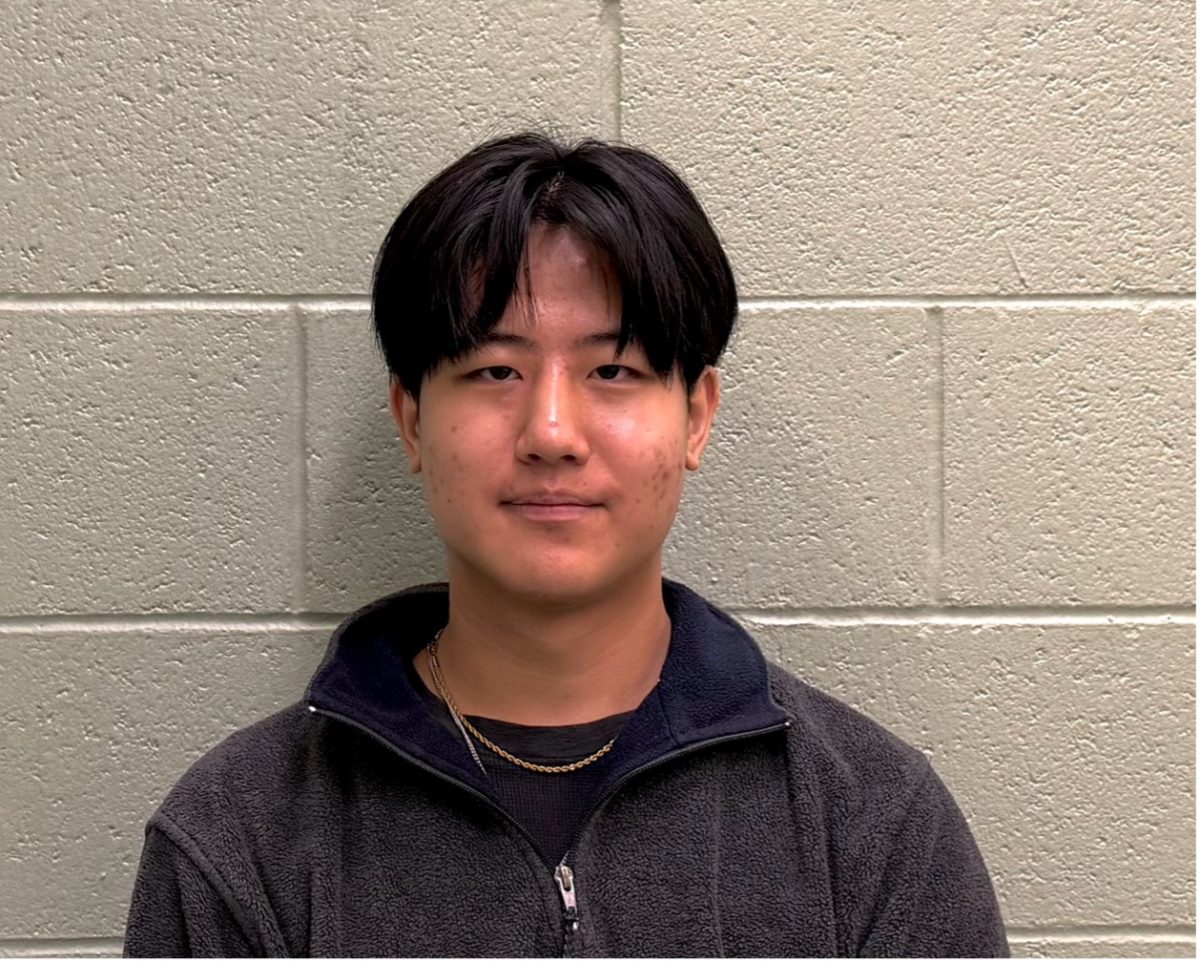
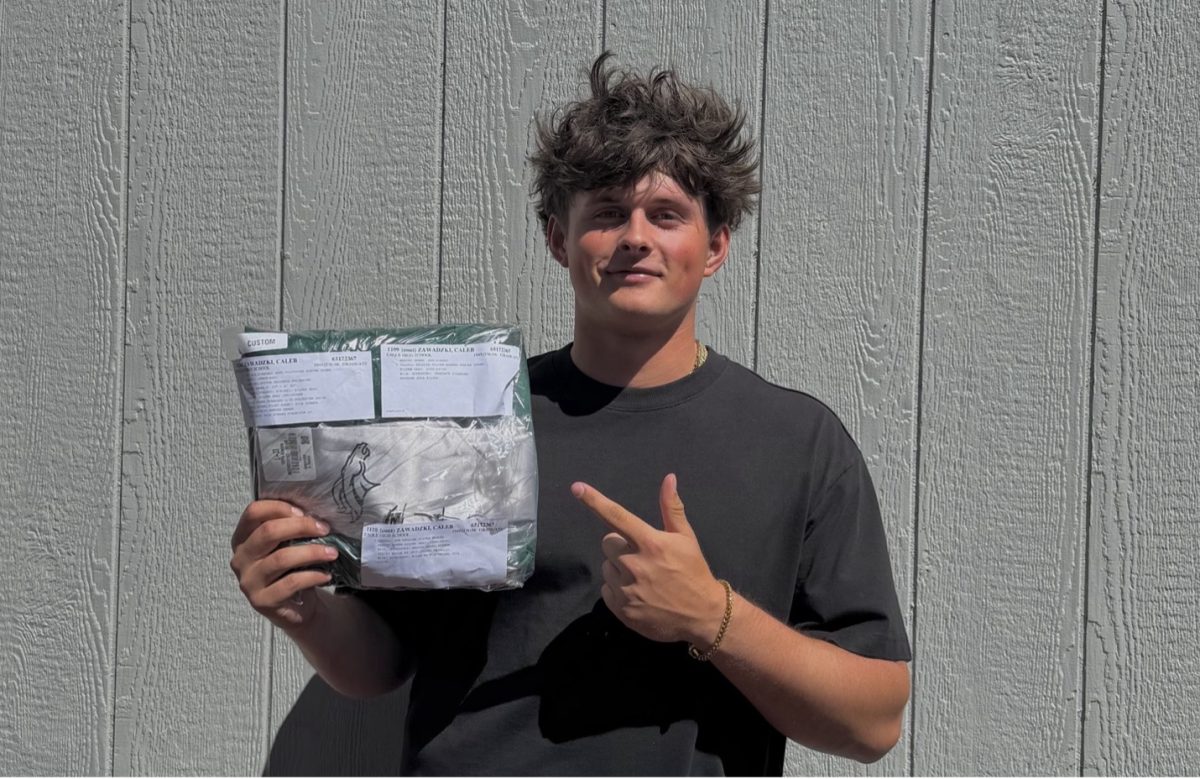
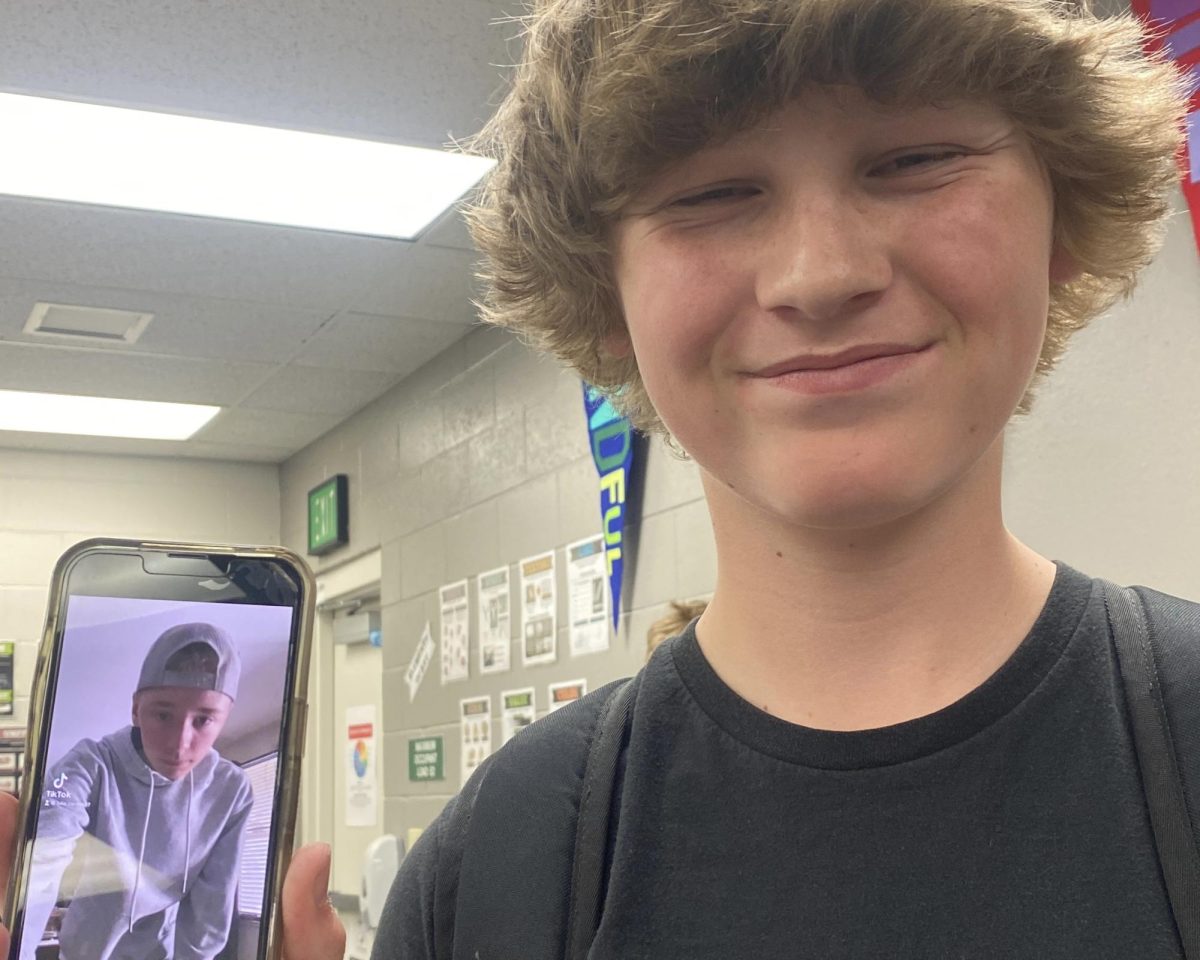
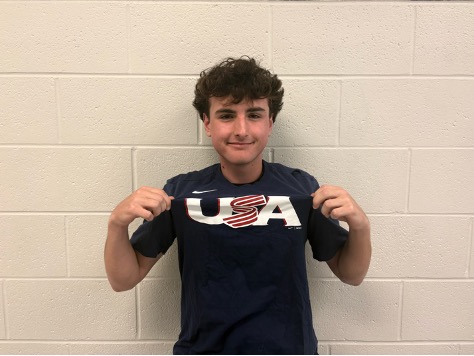
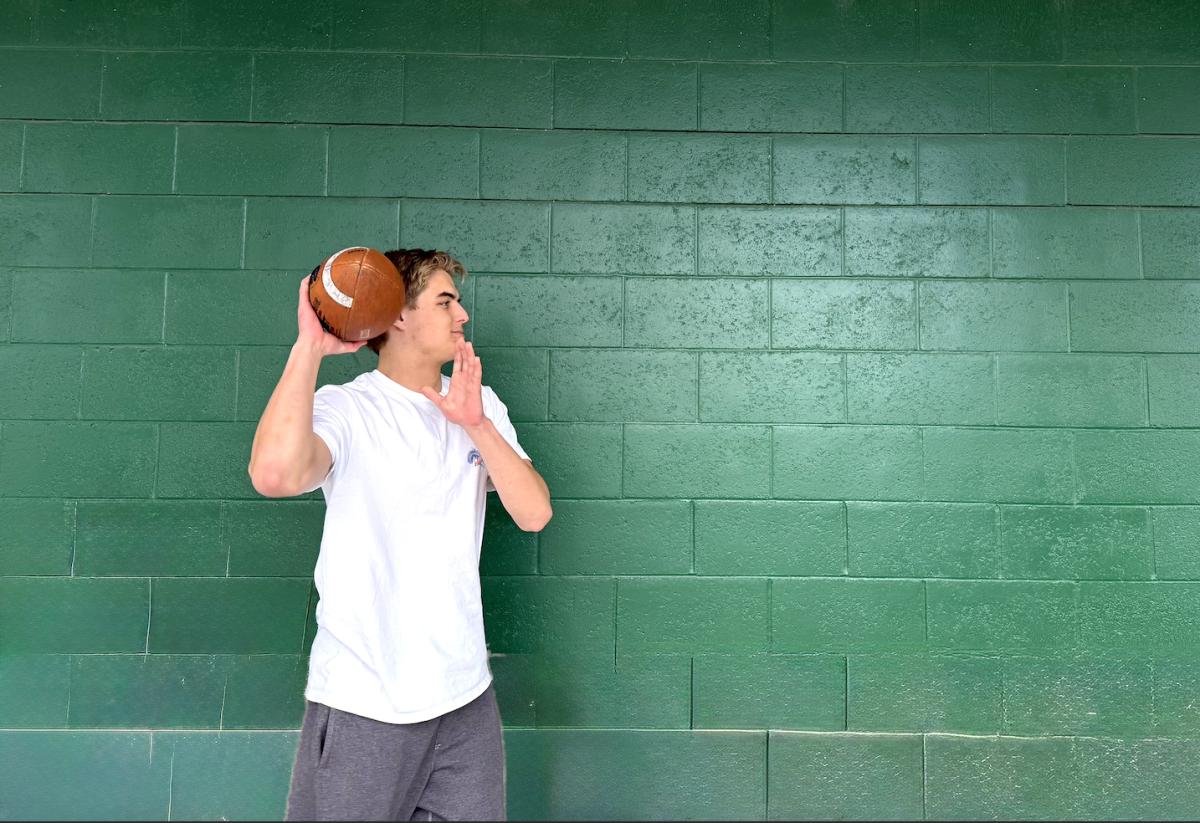
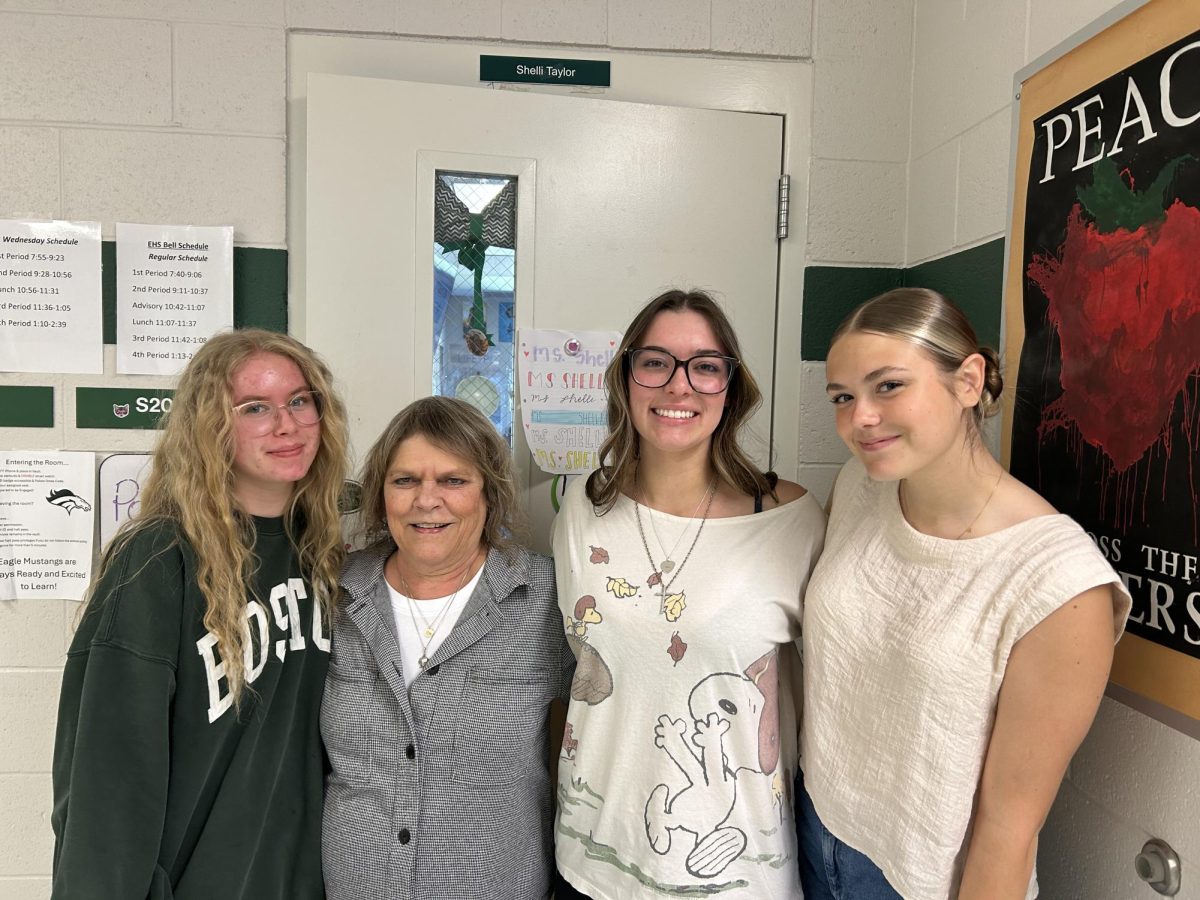
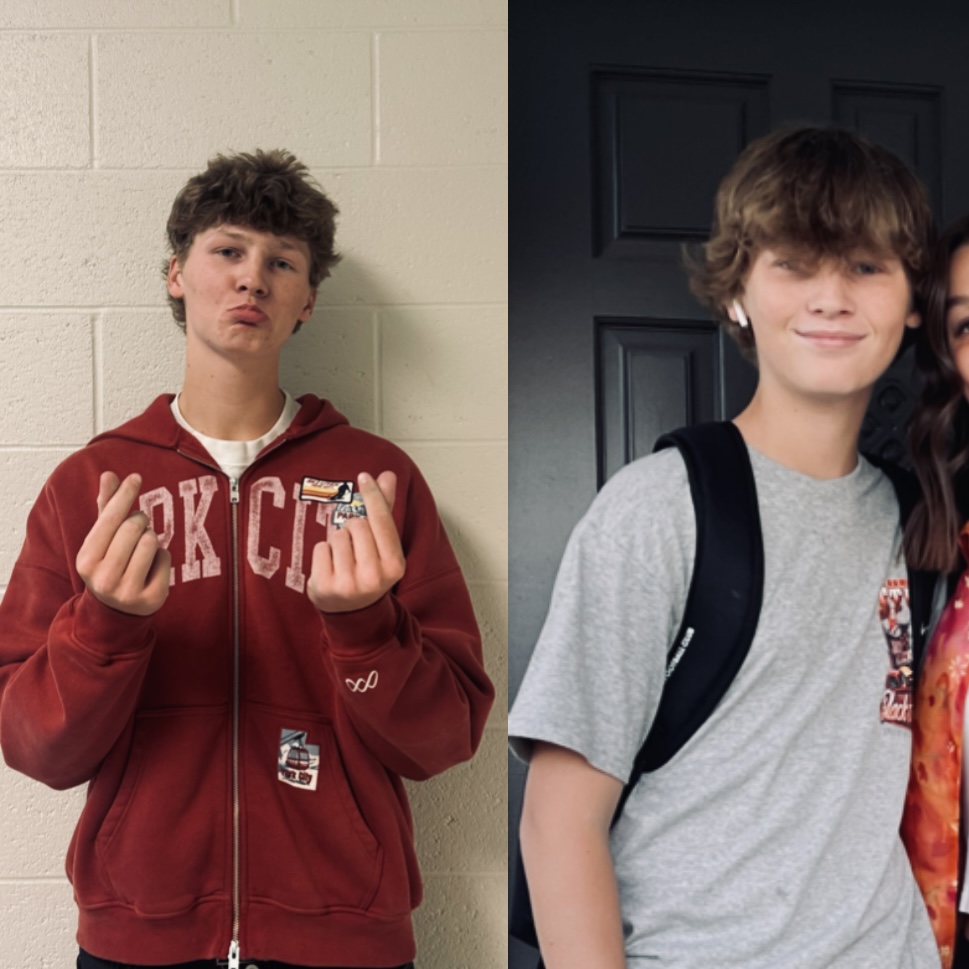
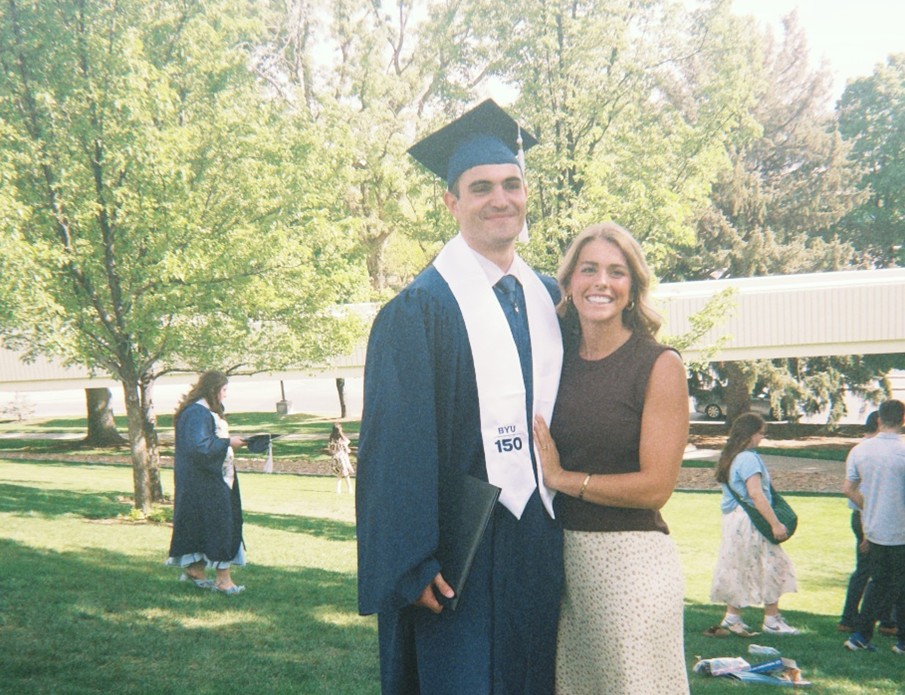
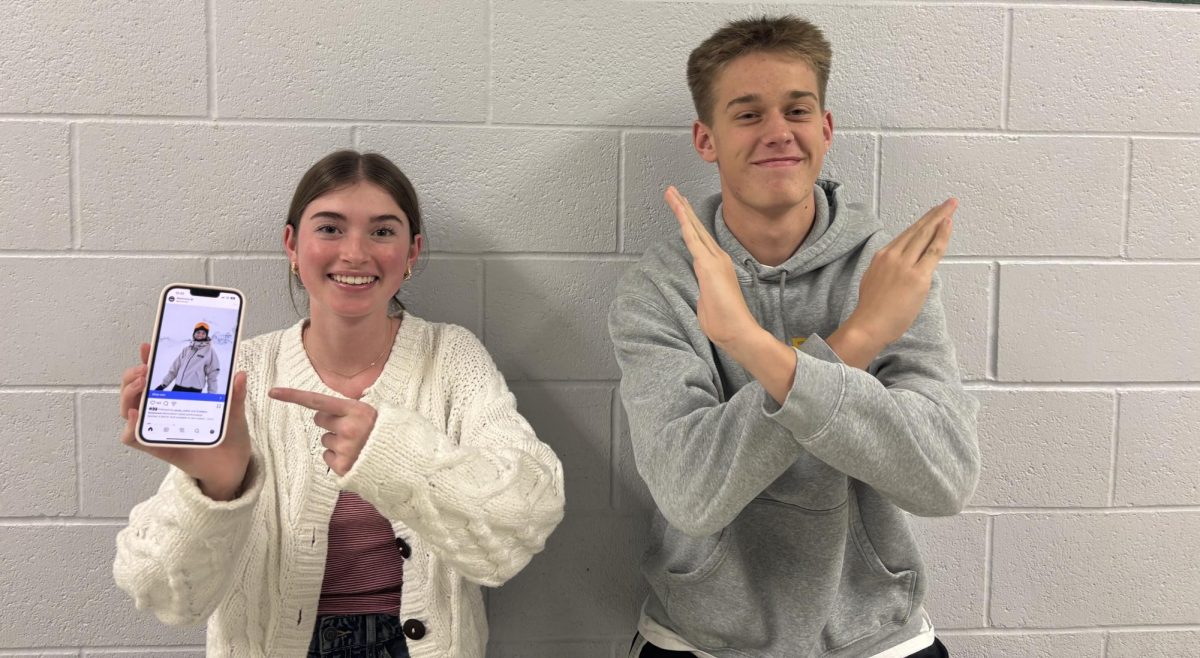
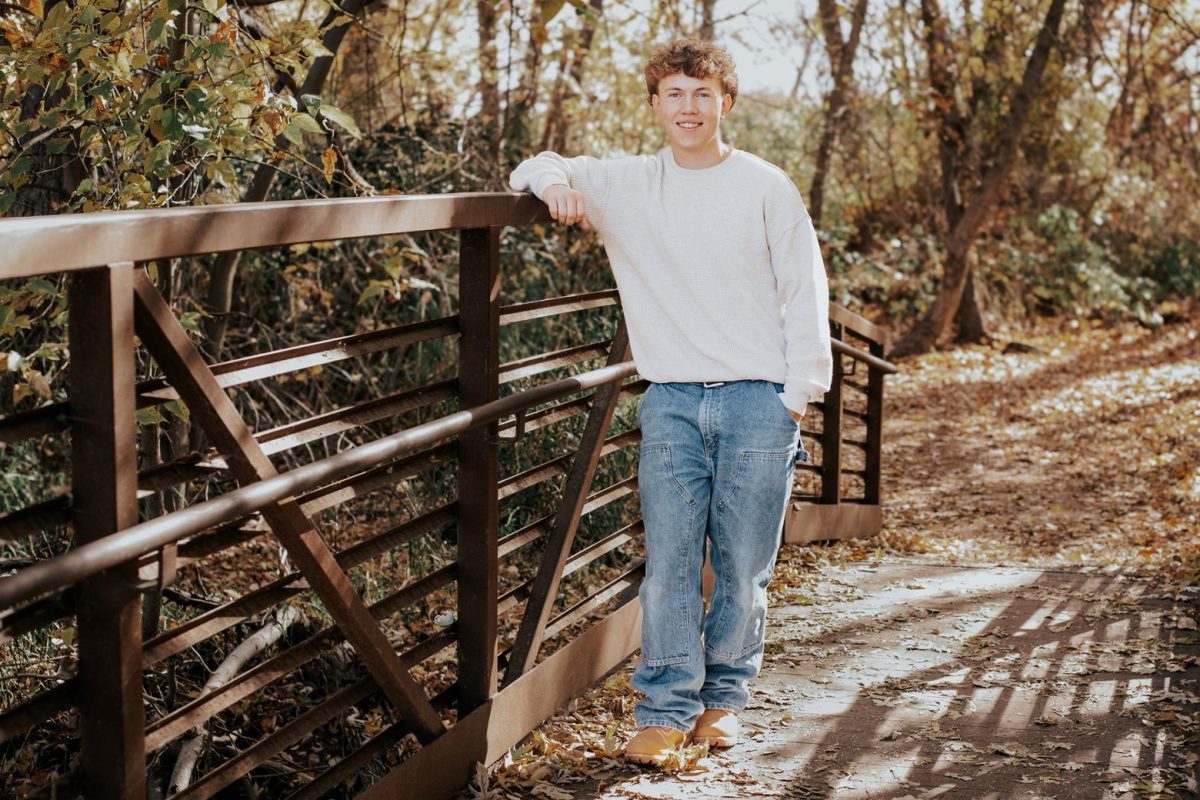
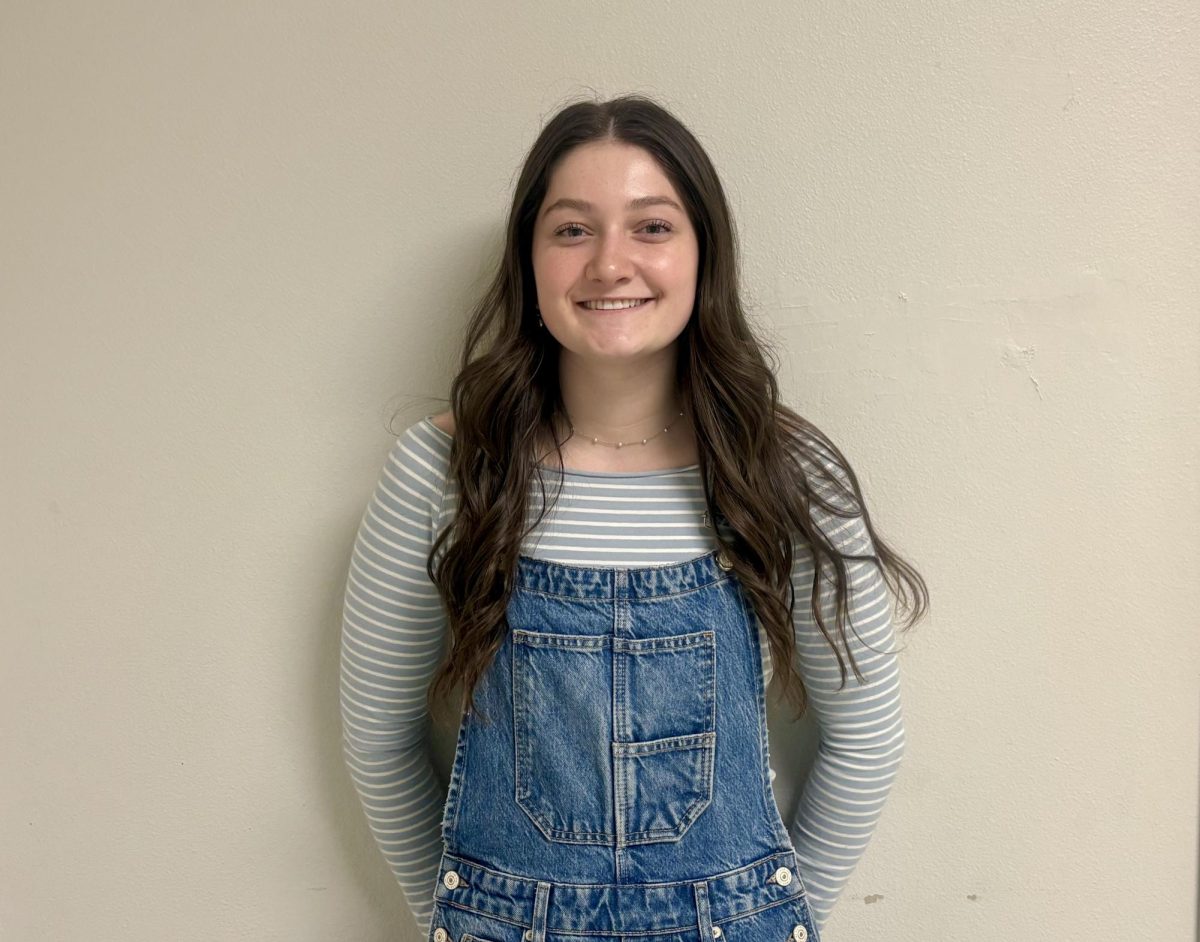
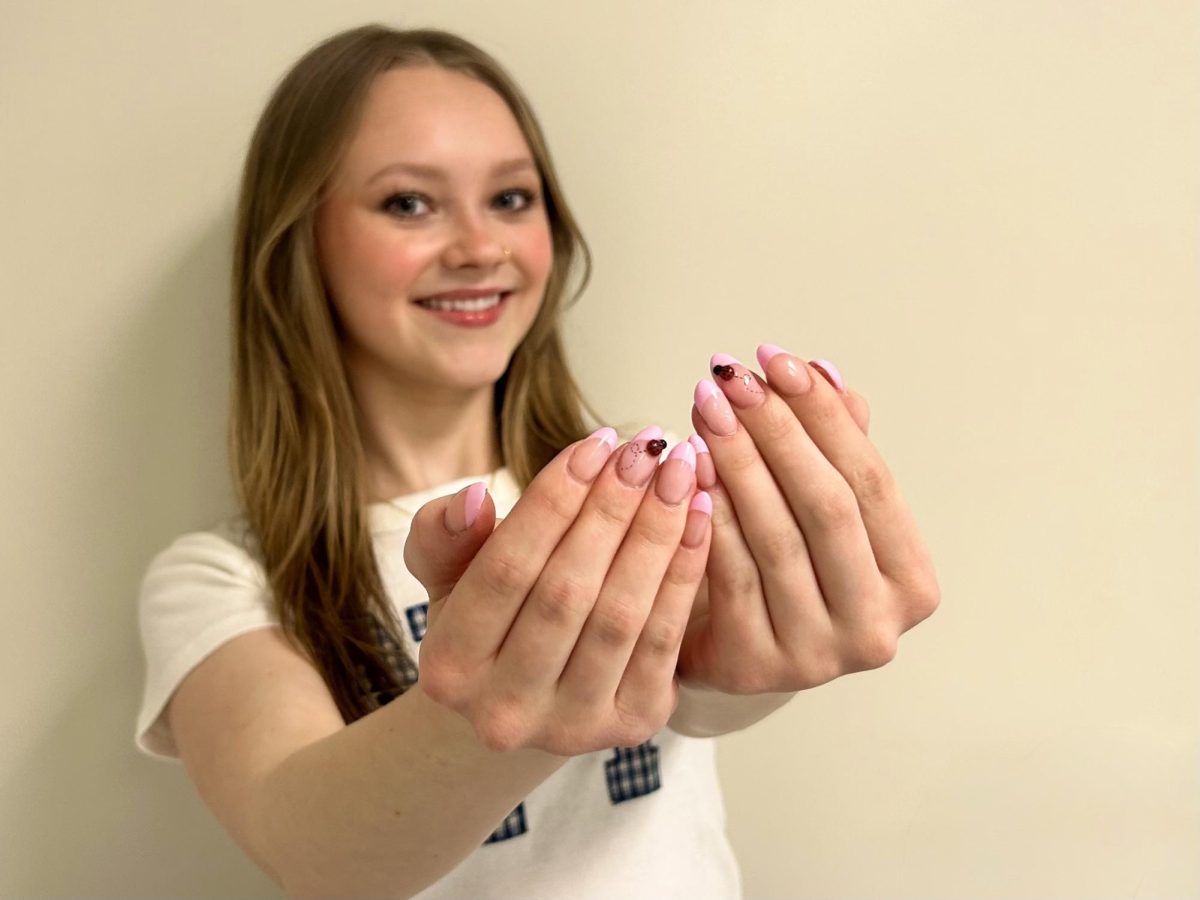
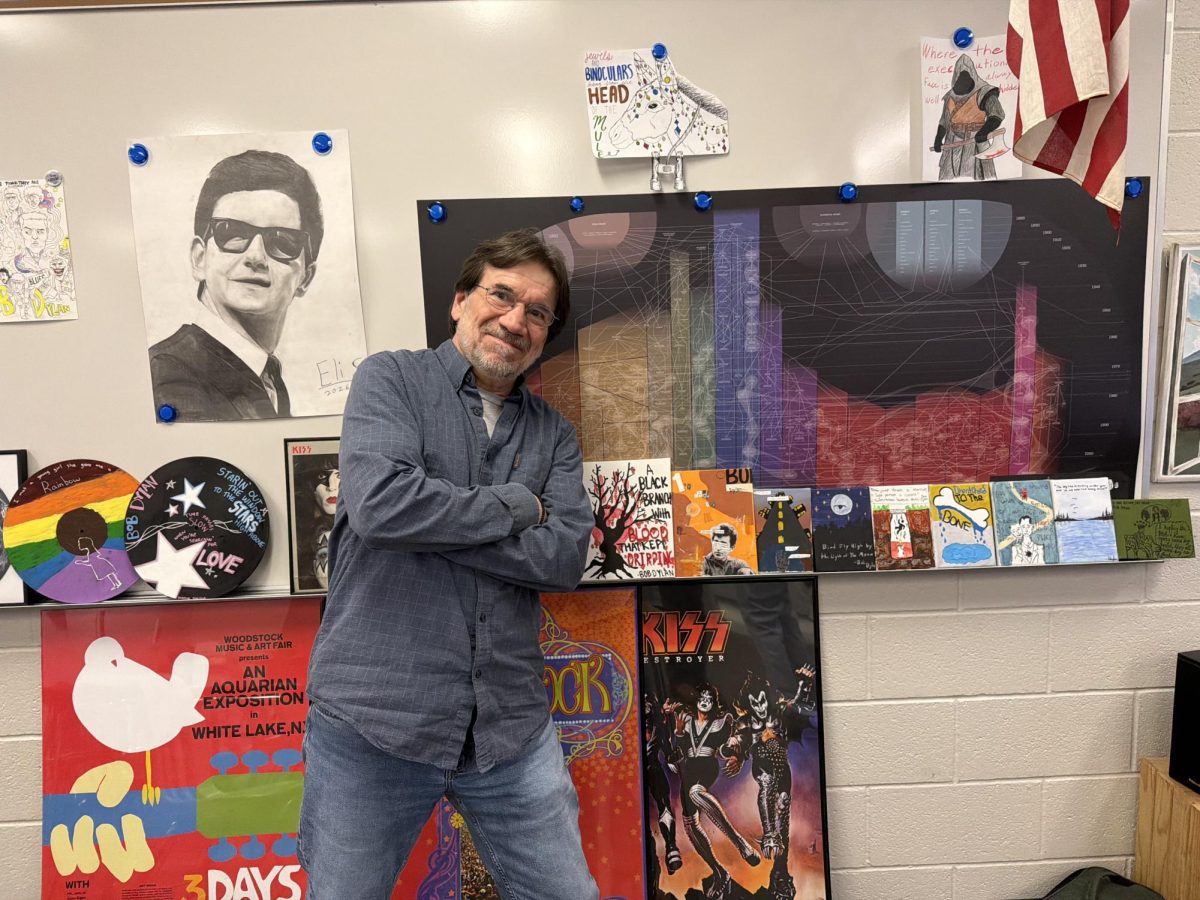
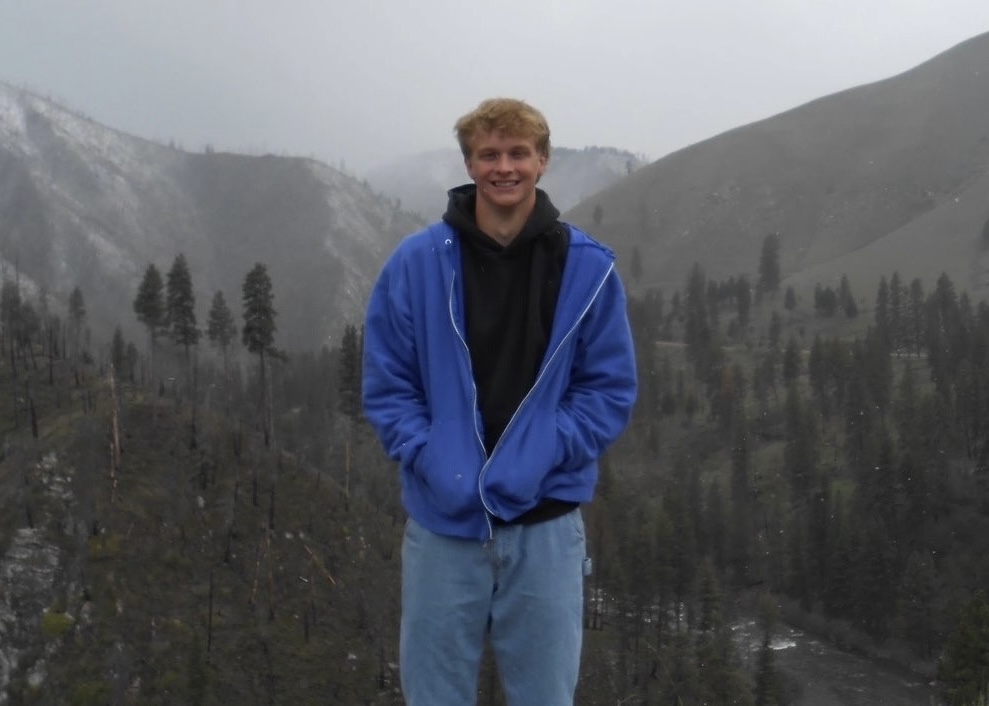
Junior Cole Garrettson and senior McKenna Nichols have both lived through the shift, growing from an underclassman into a self-assured upperclassman. Their reflections reveal what it means to grow into the role and how students can prepare for the years ahead of them.
Nichols explained that senior year is not a constant rush, despite common belief.
She said, “the stress comes in waves” and that students, “have room to enjoy the things going on presently.”
She believes that the future will arrive in its own time and that students should, “take in the present and stay in the moment.” Her words show a lesson many seniors learn only after months of stress and anxiety. Life continues even when plans feel uncertain.
Garrettson shared a similar message about junior year.
“It is not as hard as everyone makes it seem,” Garrettson said. He explained that it’s easy to get caught up in conversations about tests and homework, yet most of the pressure comes from trying to do everything at once.
He added that students should, “take a step back and think of it as if it is not that big of a deal”. According to him, the key is learning to manage time and focus on what matters most.
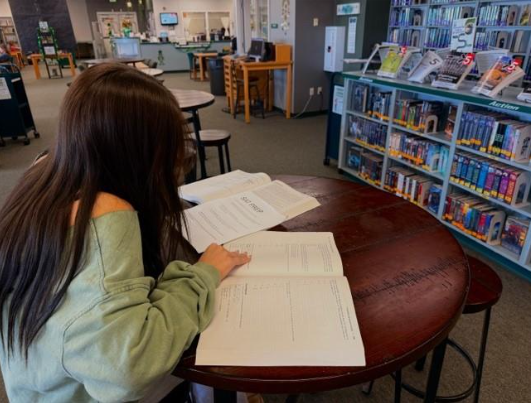
Both students agree that balance is essential. Garrettson learned that not every assignment will define a year.
“Time management is huge,” Garrettson said, explaining that there is always something happening. He believes students should challenge themselves but also protect their wellbeing.
Nichols discovered that balance extends beyond schoolwork. Her biggest worry entering senior year was her friendships.
“I was worried about how going separate ways would affect us,” Nichols said. However she ended up learning an important lesson about connection.
“If you have a true friend, distance will not matter,” Nichols said.
Their honesty about high school is clear and sincere. Nichols shared that high school is, “more and less than what I thought it would be.” She explained that it is not the musical she imagined when she was younger. Instead, it is a mix of challenges that shaped her into the person she is now.
“I would take that over a high school musical any day,” Nichols said.
Garrettson offered a gentle truth of his own. He encouraged students to breathe and enjoy the moments they have, because high school moves quickly.
“Try to find the best in it, because it is not always going to be there,” he said.
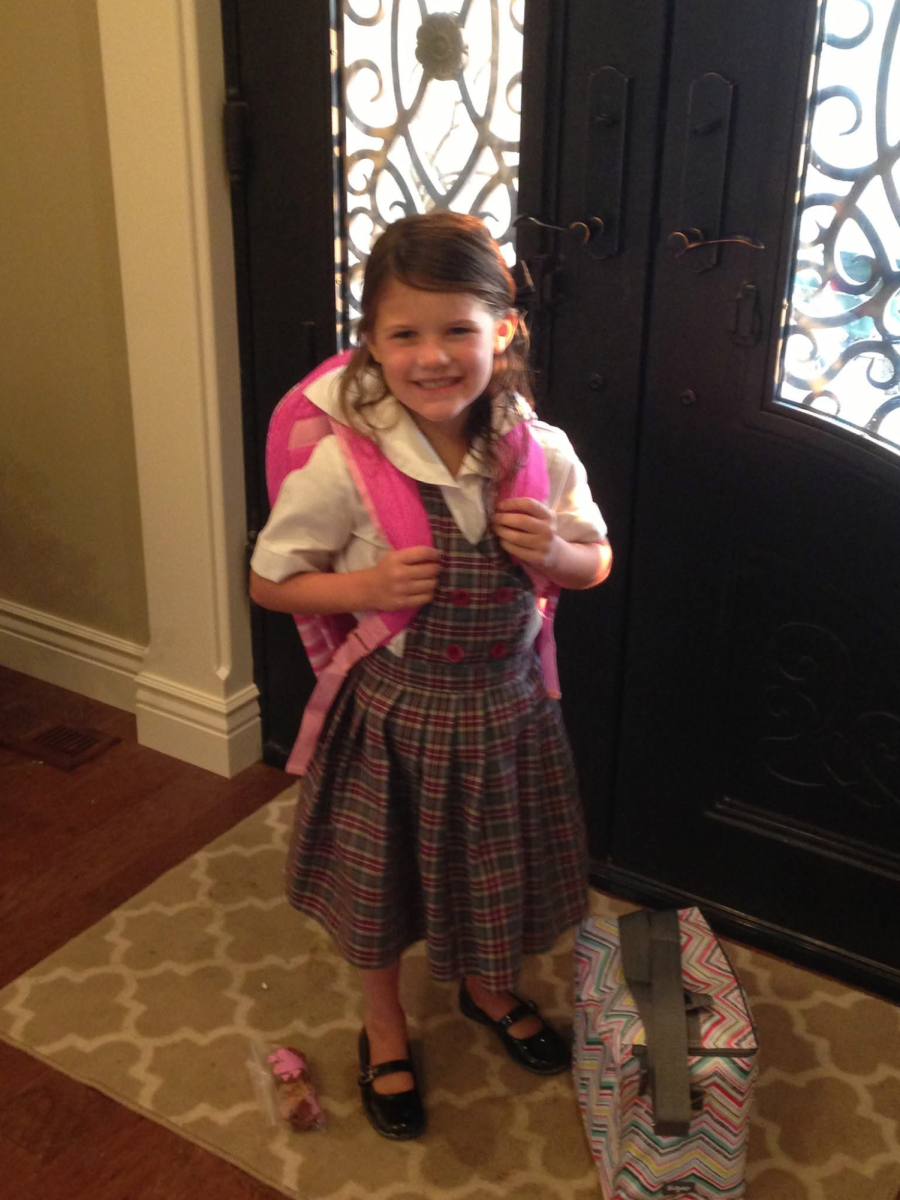
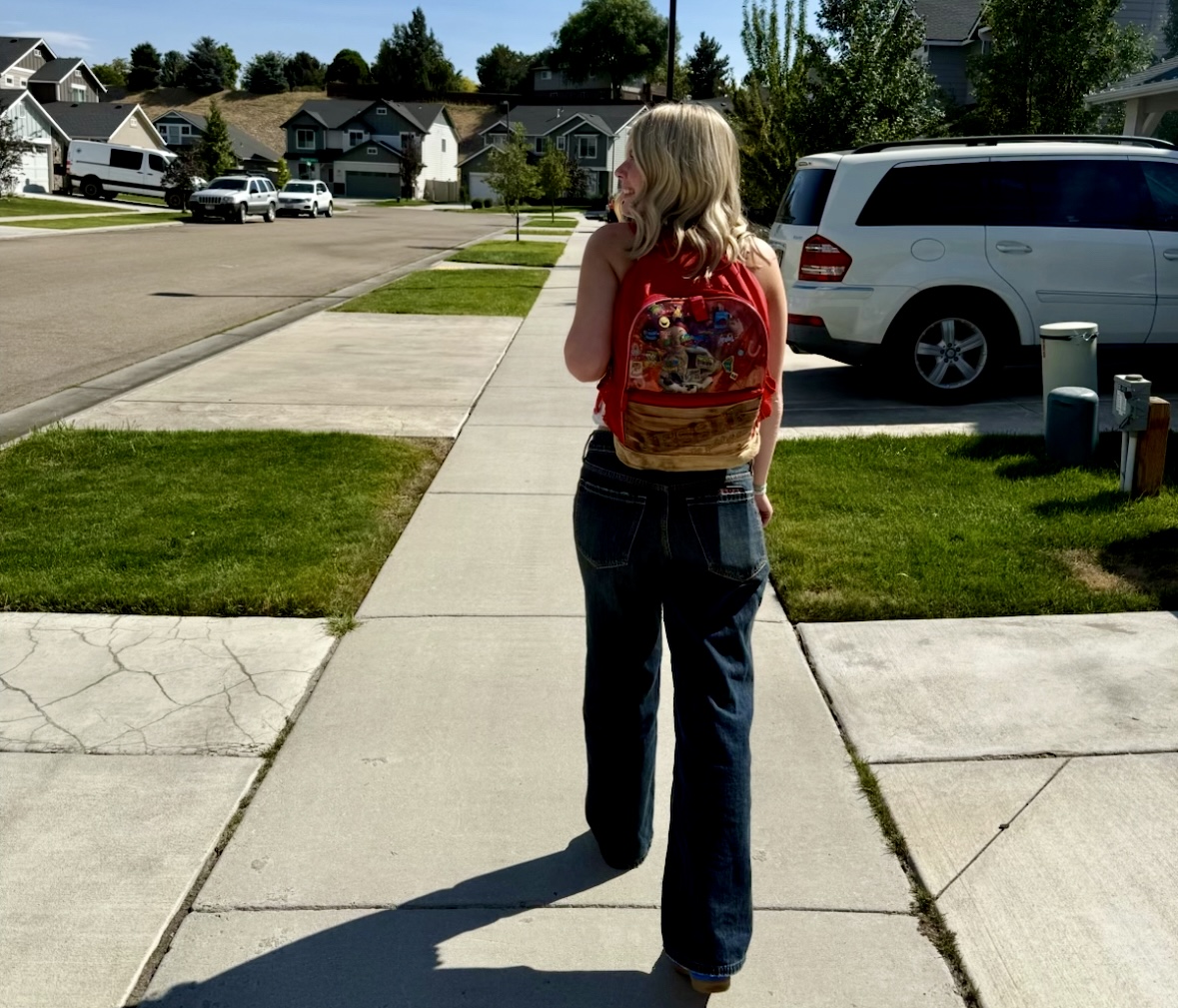
Beyond academics and friendships, though, traditions also shape a huge part of the upperclassman experience. Nichols’ favorite tradition is the senior kids’ backpacks. The tradition is simple and humorous, yet it represents the unity that seniors share during their final year. These small moments become the memories students carry with them long after they leave the building.
Becoming an upperclassman is not about perfection, it is about letting go of unnecessary pressure and choosing balance over burnout. It is about staying present even when the future feels loud. It is about trusting that friendships will grow in the ways they are meant to. It is about finding joy in the small moments that make high school feel like a community rather than a checklist.
Garrettson and Nichols show that upperclassmen are not defined by age or grade level. They are defined by the moment they realize they are no longer just trying to survive high school—they are learning and growing from it. They are becoming the people they once looked up to in the halls.