







































































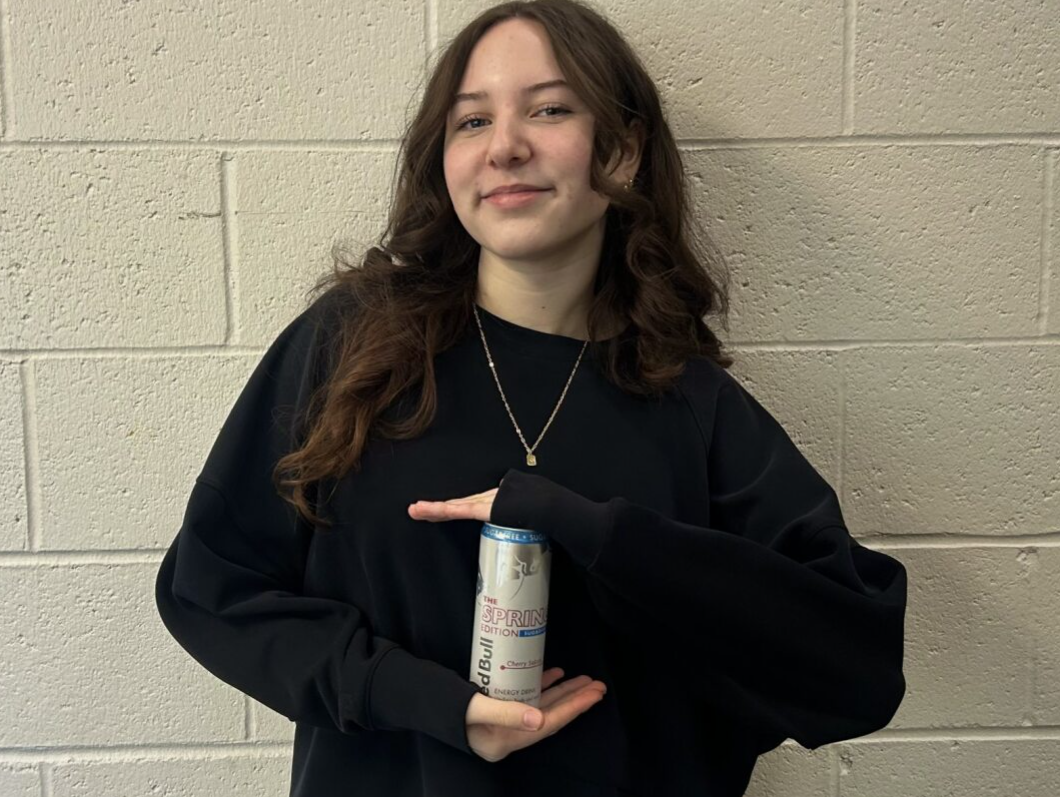
Caffeine is the world’s most widely consumed psychoactive drug, and it has become a daily habit of many teenagers lives. Whether in the form of coffee, energy drinks or soda, teens often turn to caffeine to get them through school, sports and social activities. Caffeine can offer temporary boosts of energy, but it is important to understand both the positive and negative effects that it has on teens.
Caffeine has been proven to stimulate the body’s nervous system, temporarily improving concentration and focus. Many teens struggling with homework or extracurricular activities may turn to energy drinks, helping them stay alert and focused during tasks.
“I usually have an energy drink while working out. It helps me stay energized and it improves my lifts,” said senior Grayson Bruch.
Caffeine is often used by athletes to improve physical performance on the field and in the gym.
According to springer.com, “Caffeine has been shown to enhance muscle strength and power output, making it effective for both endurance and high intensity activities. It can improve performance in sports requiring short bursts of energy, such as sprinting and team sports.”
However, there are many drawbacks to teens consuming caffeine. Some of the most significant effects of caffeine include dramatic changes to sleep distribution and dependence.
Adolescents need eight to 10 hours sleep per night to support their growing bodies and physical needs. Consuming caffeine can inhibit sleep ability cause and sleep deprivation.
According to sleepfoundation.org, “Caffeine promotes wakefulness by blocking adenosine, a sleep-inducing chemical.”
Caffeine is a stimulant and it can form habits. While it’s not typically associated with the same level of addiction as substances like nicotine or alcohol, regular caffeine consumption can lead to extreme caffeine dependence. Teens can experience withdrawal symptoms such as headaches and fatigue.
Caffeine isn’t objectively “good” or “bad” for teens; it all depends on how it is used. While it helps with increased focus and performance, its potential drawbacks in terms of sleep and overall health can’t be overlooked.