

























In recent years, Spotify has become a profit over quality company. They’ve taken part in unethical practices and actively allowed AI artists on their platform. Most people don’t even notice or know about what their music company is doing. Spotify, over the last few years, has become worse for both users and music creators.
According to tunecore.com, “Per stream, Spotify only pays artists anywhere from three hundredths to five hundredths of a cent.” This leads to a lot of AI music artists infesting the platform due to the prevalence of free AI music making platforms. CEO of Spotify, Daniel Ek, is largely to blame for this, as he is active in the implementation of AI features on the app.
According to theguardian.com, “In June, Ek’s venture capital firm, Prima Material, led the defense tech firm’s latest funding round. Helsing’s software uses AI technology to analyze sensor and weapons system data from battlefields to inform real-time military decisions. It also makes its own military drone, the HX-2. Ek is also chairman of Helsing.”
Major creators have pulled their work from Spotify before, and plenty plan to follow suit in the wake of learning that the money the platform makes is going to AI technology and weapons manufacturing. In the meantime, there are many safe and AI-free alternatives that will allow creators and listeners the best possible experience.
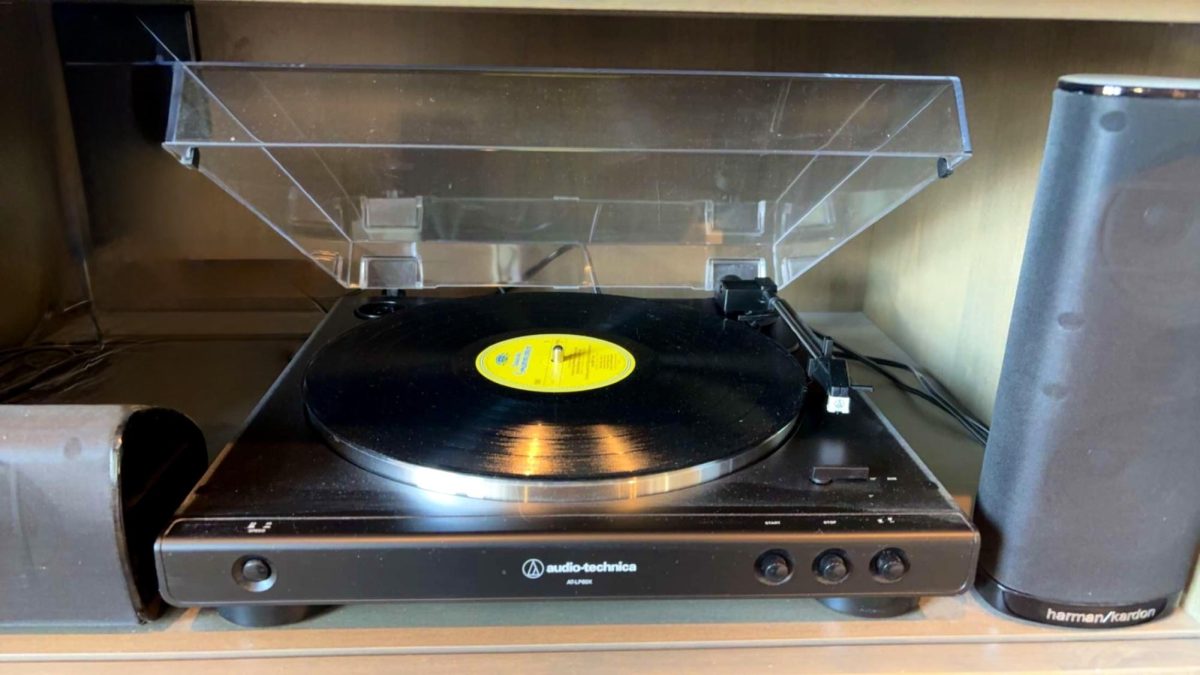
Popular alternatives include YouTube Music, Qobuz, Music X, Amazon Music, Apple Music, Bandcamp and SoundCloud. Many of these platforms have better audio quality and actively block AI artists. There are also many sites that allow you to transfer your music without having to do it by hand, such as Soundiiz. Generative AI has become a big problem, and it’s not just for music artists.
According to mit.edu, “Just because this is called ‘cloud computing’ doesn’t mean the hardware lives in the cloud. Data centers are present in our physical world, and because of their water usage they have direct and indirect implications for biodiversity.”
AI is also scraping artists’ work (taking from real artists and creators via social media posts and comments to mimic their styles), leading to art that might be in total violation of what an artist believes. Generative AI in the music space is getting bad because it’s not only stifling indie artists, but it’s also causing famous artists to have to respond quickly if someone stole their song for AI data training.
Nothing is perfect, and it seems like AI might be here to stay. However, switching to other companies that take an active stance against AI helps to create a safe and growing platform for human artists to explore their creativity.