















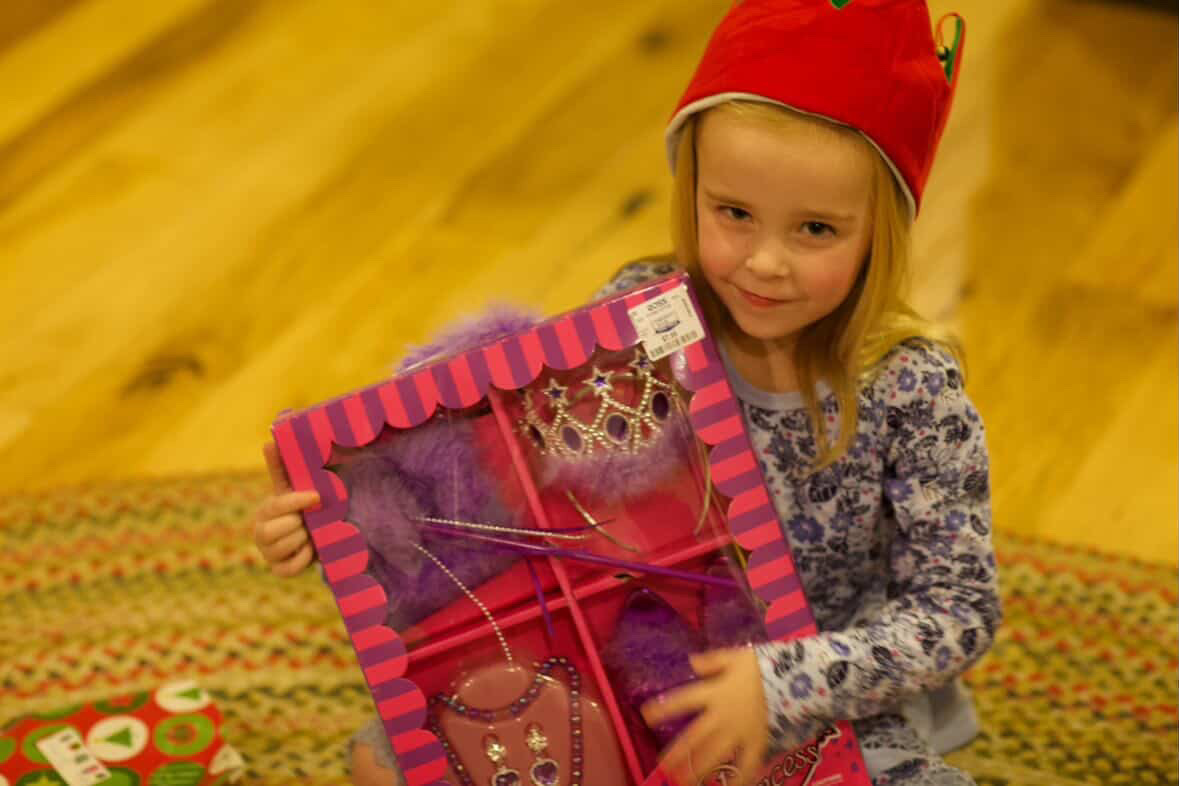



















































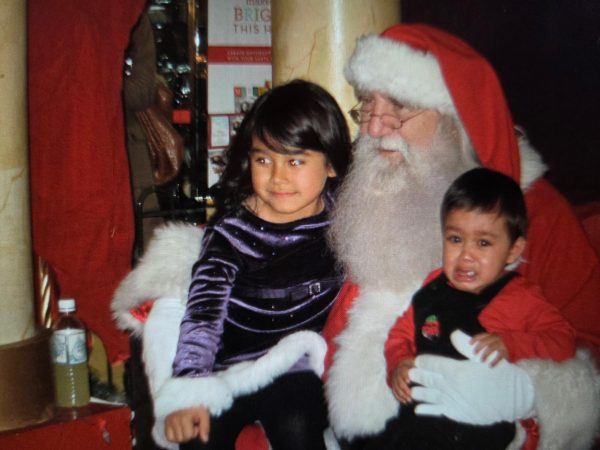
At some point, everyone discovers the harsh truth that Santa isn’t real. Whether it happens naturally as they grow up, or they learn it from a friend at school, it’s inevitable. At some point, everyone stops believing. Overall, the best decision for parents is to let children figure out that Santa isn’t real on their own and not reassure them of his existence or tell them the truth.
There are many arguments against the idea of telling children that Santa isn’t real. Emotional distress and loss of trust in parents are two common rebuttals. Both claims, however, are not valid.
According to psycnet.apa.org, “While adults report more negative emotions than children do as a result of finding out Santa is not real, they also report these emotions to be short lived.” In this study by the American Psychological Association, in was concluded that overall, there were very little negative emotional effects from learning Santa isn’t real. In fact, the study mentions how it can be worse for a child to learn later in life. This study also disproves the idea that telling children could make them lose trust in their parents.
According to psycnet.apa.org, “However, our results do not reflect these commonly held beliefs. Children do not trust their parents less and adults do not recall a lack of trust after learning the truth about Santa.” Although there aren’t really any negatives to spoiling the myth of Santa, there may be some positives.
According to psycnet.apa.org, “There may also be benefits in the Santa experience not yet been studied. The process of coming to disbelief about Santa may have cognitive benefits. For instance, it may help children develop scientific habits of mind by asking questions and gathering evidence.” Even though these claims haven’t been fully studied, they are still good to keep in mind when making this decision.
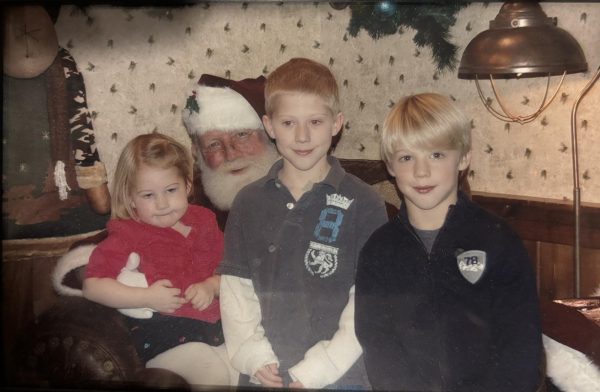
When it comes to telling children that Santa isn’t real, there really aren’t any “correct” ways to go. There are positive and negatives to both sides. However, it is important to note the magic that believing brings to Christmas. Maybe that is the only reason needed to keep the truth hidden. In the end, it comes down to the personal beliefs of the parents and other families around the child, and what they believe is best.