


























































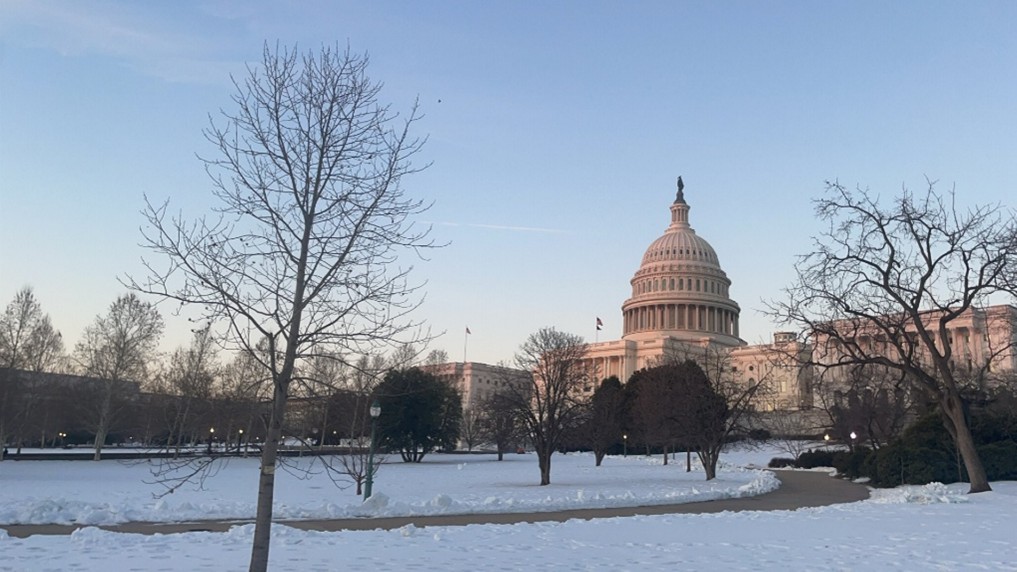
From late January to early February of 2026, a drastic winter storm formed in the southern United States bringing many fatalities, large power outages and injuries. This was all due to the amount of snow and ice accumulated on necessary utilities. Although this storm affected the majority of southern territories, northern states are still waiting for significant snowfall.
Weather service meteorologist Allison Santorelli on apnews.com said, “It is a unique storm in the sense that it is so widespread… It was affecting areas all the way from New Mexico, Texas, all the way into New England, so we’re talking like a 2,000-mile spread.” With this large storm, many complications fell upon citizens living within the area.
According to Thao Nguyen on usatoday.com, “A devastating winter storm engulfed a large swath of the continental United States from New Mexico to Maine over the weekend, cutting power to more than 1 million customers across the country by its peak on Jan. 25.”
With the power being cut, sources of local news, television, markets, stores, heat and electricity were cut off. This affected mass amounts of people. For many, the inability to recognize dangerous weather and how to stay warm has been fatal.
“At least 85 people have died in multiple states,” said Meredith Dellso on abcnews.go.com. “The weather-related fatalities have been due to hypothermia, suspected carbon monoxide poisoning and accidents involving cars, sleds and snowplows, among other causes.” These unfortunate deaths have been recognized throughout the country and have spread awareness of the dangers of the storm.
The irony of this storm, however, is that the northern United States hasn’t received nearly as much snow as expected.
According to Sarah Jacobsen from boisedev.com, Boise hasn’t received the correct conditions to maintain snow. Jacobsen explained: “While southwestern Idaho has seen plenty of precipitation so far this winter season, we have been missing one extremely important ingredient needed for a strong snow-filled season- cold air.” With the conditions of “La Niña,” it is possible that the rest of winter will be cold and will remain snowless.
This winter has been heartbreaking for people who have suffered because of the storm, alike those from the northern United States who have hoped for snow this year, but as 2026 goes on, residents from both regions can hope for better weather throughout the year.