



























































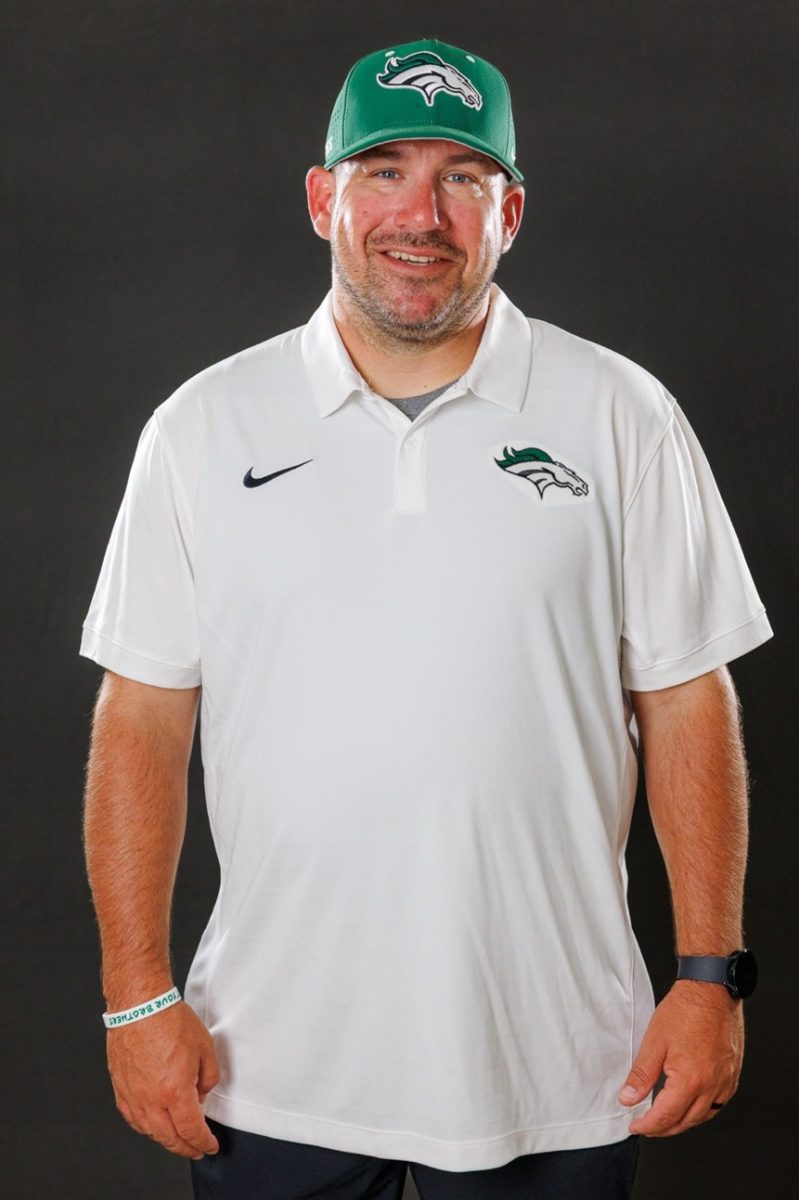
For varsity football coach and teacher Zach Farnam, teaching and coaching aren’t just jobs; they’re a way to pay forward the mentorship that shaped his life. Now in year 19, this being his first at Eagle High, he brings the belief that all students need to be met according to their situations. Whether teaching college health class or advanced weightlifting, his goal is simple: encourage growth, treat people kindly and make everyone’s day a little better.
Originally coming from Spokane, WA, Farnam has had years of experience under his belt with both coaching and teaching. He taught in Spokane for a total of 10 years, then moved on to teach at Caldwell High for two, Nampa High for two and Owyhee High for four. He now teaches at Eagle High. He was inspired to pursue education and coaching during his own time in high school, with one of his greatest mentors being a teacher.
“I became a teacher because my mentor in life was a teacher,” Farnam said. “I had some things happen in high school—teachers really impacted my life, and this is kind of always what I wanted to do.” He was shaped by the steady influence of mentors who showed up when he needed them most. Now, nearly two decades into his career, Farnam is committed to being that same steady presence for his own students and athletes—someone who listens, encourages and helps them believe in their own potential.
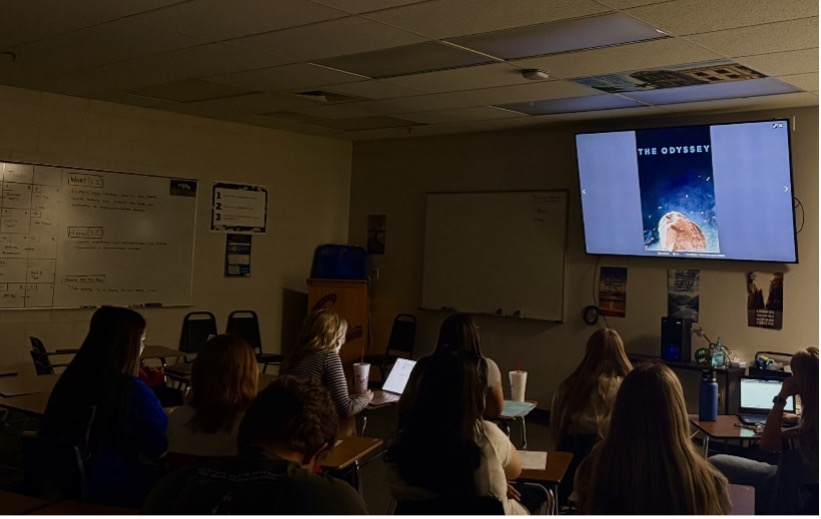
This very philosophy is woven into everything he does at Eagle High, where he teaches college health, high school health, advanced weightlifting and walking fitness. Whether leading discussions on wellness or motivating students in the weight room, Farnam brings structure, empathy and enthusiasm to his classroom. He hopes that from his example, students and athletes are able to learn how to treat others with respect. He also hopes they learn to recognize that everyone has struggles in their lives. Due to that, he wants them to learn to treat people right and to meet everyone where they’re at, regardless of what their circumstances are. To meet someone where they’re at, understanding and acceptance of a person’s current emotional and mental state is essential.
This idea extends all the way onto the football field. As Eagle High’s defensive coordinator, Farnam brings the same empathy and accountability to his athletes, challenging them to show up prepared, take ownership and support one another as a team. For him, coaching isn’t just about coming up with defensive strategies for the Friday night lights, it’s about having character and connection with the team.
Farnam learns just as much from his athletes. He credits them with helping him “stay young” and keeping him in the loop on what’s trending and how students communicate. It’s all a part of how he builds stronger relationships and stays connected to the world in which his students live.
Farnam’s connection with students and athletes goes beyond just the classroom and field—it’s in the everyday moments and long-term relationships where his impact is felt the most. Those long-term relationships have helped him recognize the lasting impression his work has left on his former students.
“What you do does make a difference. The longer you teach, the more emails you receive and the more students that reach out,” Farnam said. “Earlier in your career, you’re still so young and into it, you don’t get a lot of that feedback. As you get older, you start to get more and more of it. You start to realize that what you’re doing in the day matters.” For him, those emails are a reminder that the daily effort, even when it feels routine, can leave a lasting mark on whoever he interacts with. Such moments of recognition aren’t just affirmations for Farnam, they’re fuel to keep showing up with purpose.
One of those purposes is to help him grow personally with his family; his students and athletes are able to help him better connect with his child as a father. Whether it’s picking up the latest slang, hearing new music or swapping stories with his six-year-old son, Farnam is reminded why he loves what he does whenever he has such an experience.
“I like going home at the end of the day and knowing that—and hoping that—I made an impact in somebody’s life,” Farnam said. That honest everyday motivation keeps him teaching. Regardless of what he’s doing, he’s showing up purposefully. Not with the intent of being perfect, but with the intent of being present. For the students who cross his path, that makes all the difference.