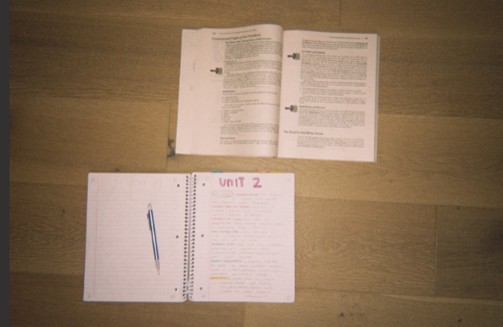
Almost every night, students have homework for their classes, whether they are seniors or freshman. But the real question is if homework is helpful.
According to Sarah Zoloth on www.nshss.org, “Excessive homework can cause significant stress and burnout, along with anxiety and sleep deprivation.”
Homework has consistently been shown to be a high stressor for students, contributing to sleep issues, burnout and social maladaptivity. The time after school, for many students, includes hanging out with friends and family, after school sports and work. Homework can take up two to three hours on average for many students, which causes rifts in their day-to-day life and possibly health problems.
Many of students work late into the night, and some pull all nighters to get homework done. Doing that consistently can cause adverse effects like altered sleep schedules, stress issues, hormone problems and anxiety. It can also result in caffeine crashes for students that use energy drinks or coffee to stay awake while doing their work.
According to a meta study done by Loyola Marymount University in 2023, 70% of students in a study cited homework as their top source of anxiety. According to the researchers, “Reduced homework frees time for sleep, family, and focused study. Mental health is often the deciding factor in how prepared a student is for any classwork given to them.”
Students describe homework as busy work, or a way to pad their grades with small, low-effort assignments. And with the rise in AI, many students have resorted to asking chatbots like ChatGPT and Claude to do their homework for them.
Overall, homework is not always a good idea for students, and studies have proven that homework can cause health problems if given in excessive amounts to students.